
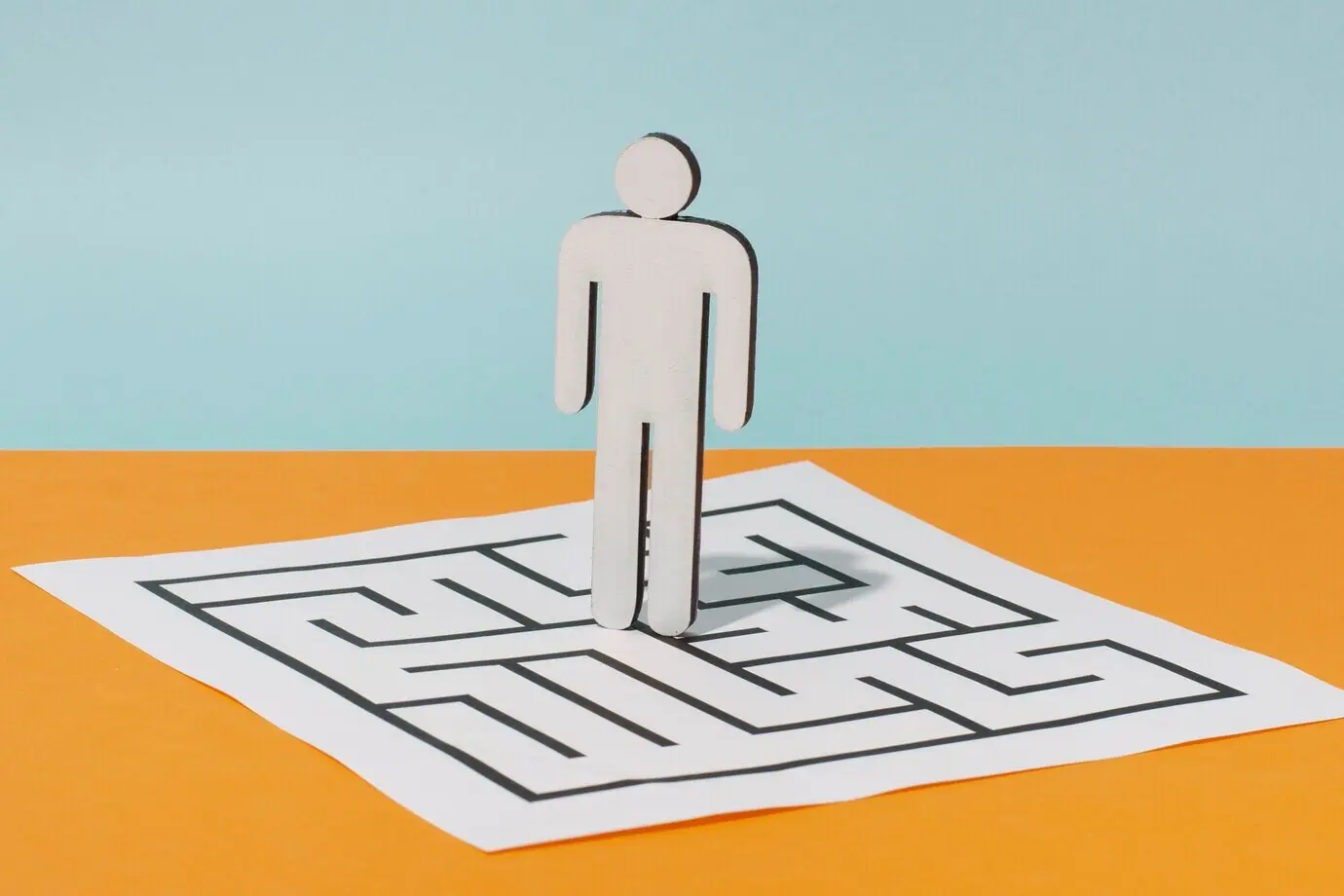


Make Everyday Choices Safer in Seconds

Today we focus on Quick Risk Assessment Frameworks for Daily Activities, translating proven safety thinking into fast, friendly routines you can use before cooking, commuting, exercising, or tackling chores. Learn to notice hazards, weigh options, and choose protective actions in under a minute, without fear or fuss, and with stories, checklists, and nudges that fit real life.

What a Quick Scan Prevents

A thirty-second glance often stops the small cascade that leads to injuries: a wet tile, a frayed cord, a distracted driver. Research shows most incidents grow from tiny oversights. A neighbor avoided a nasty fall by spotting loose gravel before stepping down, then choosing a handrail and slower pace.

The 30-Second Method: Stop, Look, Predict, Choose

Use a simple loop before action: stop your body, look for hazards and supports, predict best and worst likely outcomes, choose the smallest protective step. Whether lifting a box or merging onto a highway, this loop fits inside a breath and changes results.

Stop: Create a Buffer

Freezing for two seconds interrupts autopilot and clears bandwidth for observation. Athletes call it a reset; pilots call it a check. Your version can be a whispered word, a palm on a surface, or one slow exhale that anchors attention before moving.

Look: Hazards and Helpers

Scan for edges, energy, and people. Edges include heights, blades, corners. Energy includes heat, motion, electricity. People include unpredictable movements and fatigue. Also notice helpers: handrails, gloves, extra time, clear communication. Naming one hazard and one helper aloud makes action deliberate.

Kitchen, Commute, Workspace: Tailoring the Approach

Daily contexts vary, but the quick approach stays stable. In kitchens, heat and sharp tools dominate; during commutes, speed and visibility matter; at desks, posture and electronics lead. Translate principles into micro-checklists that load instantly and respect the rhythms and constraints of each environment.

Make Safety a Habit You Actually Use

Frameworks only work if they appear at the right moment. Pair the quick scan with everyday triggers: doorways, lifts, ignition, oven knobs, calendar reminders. Reduce friction by keeping gloves, lights, and step stools accessible. Celebrate tiny wins to reinforce repetition and shared culture at home.

Design Your Cue Architecture

Place sticky prompts where decisions start: by the kettle, beside the front door, on the bike helmet. A short, consistent phrase—"Stop, look, predict, choose"—printed or spoken, becomes a mental doorway. Repeat until the cue appears automatically under mild pressure.

Remove Friction, Add Grace

People skip protective actions when tools are buried or awkward. Store gloves near gardening tasks, headlamps with dog leashes, and a stable step stool where high shelves live. Arrange spaces so the safest option is the easiest, most graceful first reach.

Reward the Wins

End each day recognizing one avoided mishap or wise pause. Share it at dinner or in a message to a friend. Positive emotion wires the habit deeper, turning brief checks into a satisfying identity: someone who keeps life flowing safely.

Zero-Time Decisions: When Pressure Is High

When time feels nonexistent—hot pan flaring, ball rolling into the road, tool slipping—rely on preloaded responses. The right move is usually smaller than panic suggests: step back, lower heat, widen space, call for help. Practicing tiny drills makes calm action automatic.

The Pause Button Breath

One deliberate inhale through the nose and a longer exhale buys clarity and steadies hands. Pair it with moving one step aside to safety. That micro-reset prevents flailing, restores options, and signals to nearby people that you are intentionally de-escalating momentum.

If–Then Rules Ready to Fire

Pre-decide simple rules: if the ladder wobbles, climb down; if the dog lunges, drop the leash; if oil smokes, cover the pan and cut heat. Clear rules outperform improvisation because they begin moving you toward safety before doubt appears.
Know Your Red Lines

Declare non-negotiables in advance: never drive drowsy, never bypass guards, never run on stairs, never reach into moving parts. Share them with family or colleagues. Red lines simplify choices under heat, protecting pride, time, and health when stakes spike unexpectedly.


Fast Learning Loops You’ll Actually Complete

Small reflections create durable improvement. After tricky moments, ask: what happened, what worked, what will I change next time? Capture answers in a notes app or a fridge card. Frequent, light reviews upgrade instincts without lectures, guilt, or heavy documentation burdens, and share your favorite two-minute loop in the comments or subscribe for weekly micro-drills.
Rezofatuzofifo
Privacy Overview

This website uses cookies so that we can provide you with the best user experience possible. Cookie information is stored in your browser and performs functions such as recognising you when you return to our website and helping our team to understand which sections of the website you find most interesting and useful.